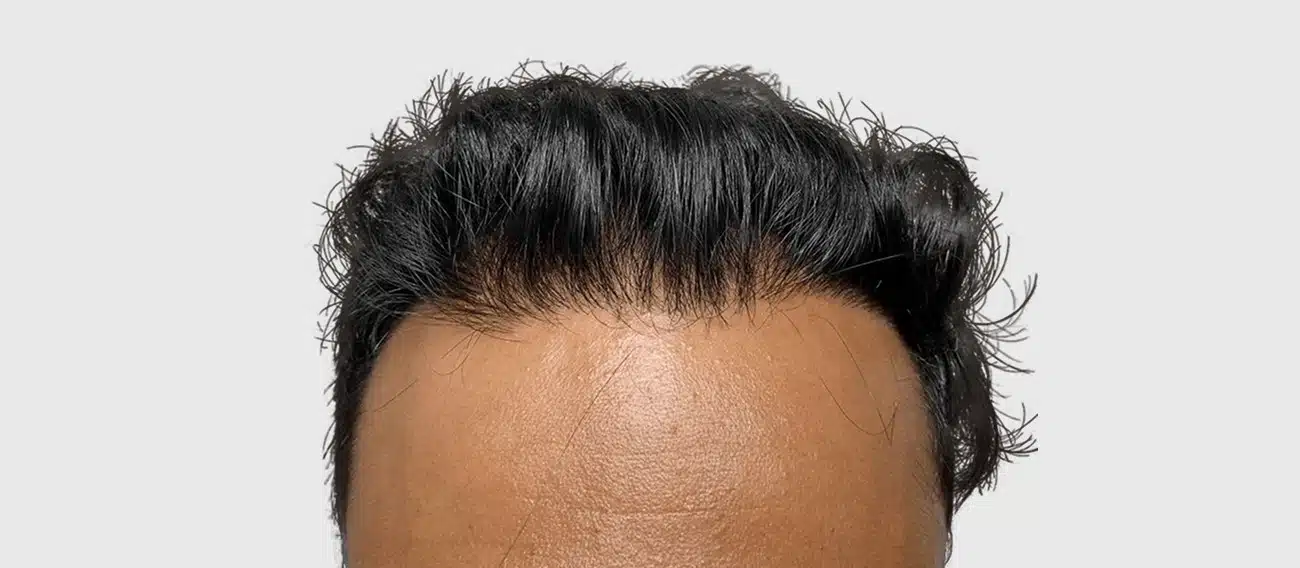
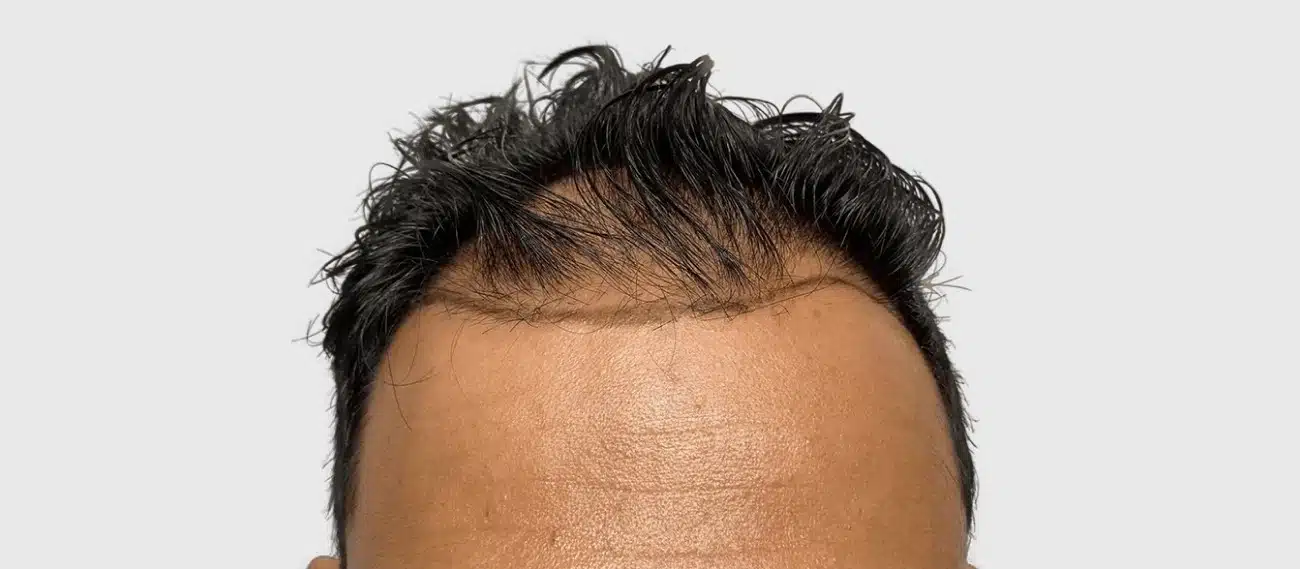
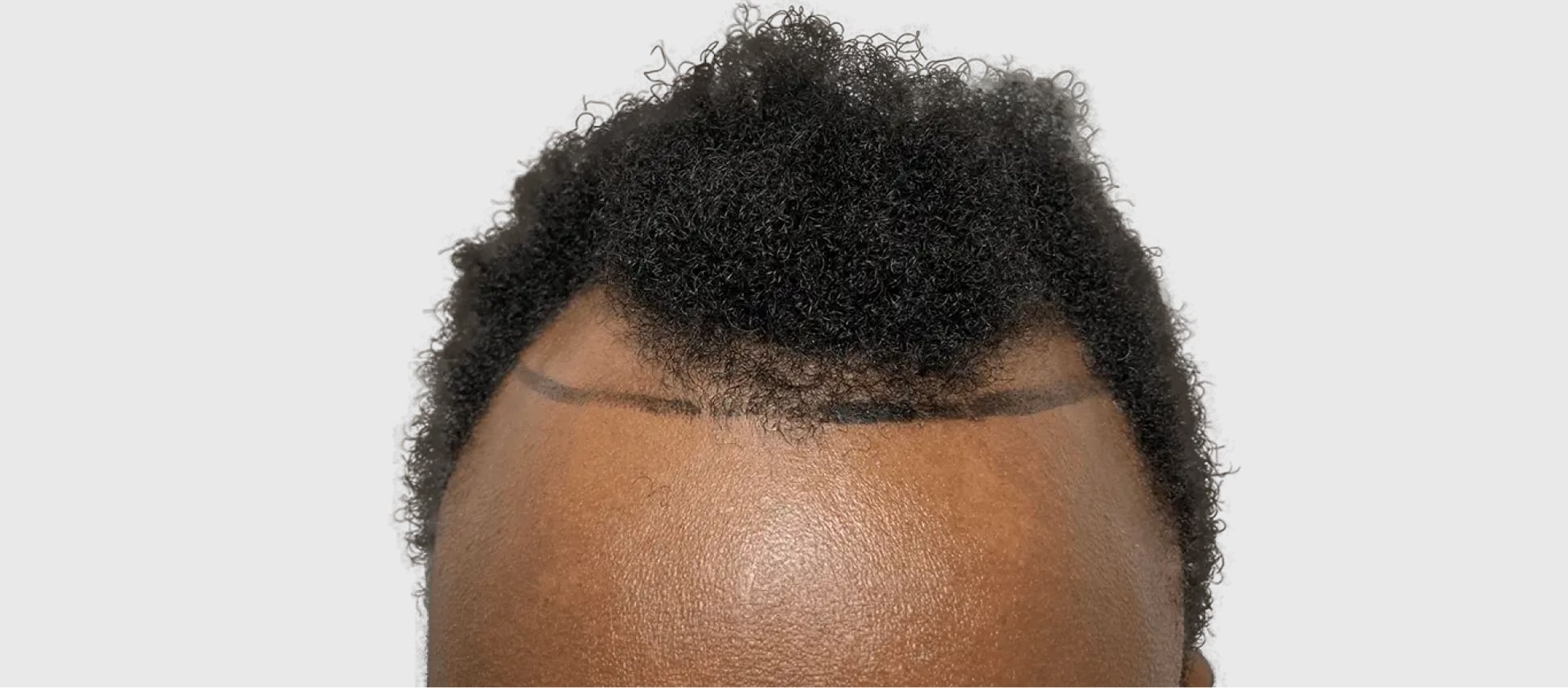
Autologous Conditioned Plasma (ACP)

at Maxim Hair Restoration

Before After

What Is Autologous Conditioned Plasma (ACP)?

Autologous Conditioned Plasma (ACP) is a regenerative, non-surgical treatment that uses the healing components in your own blood to support healthier, stronger hair growth. Instead of relying on synthetic drugs or invasive surgery, ACP isolates the most active portion of your blood plasma—rich in platelets, growth factors, and repair proteins—and delivers it directly to thinning or fragile areas of the scalp.

Read More
Rectangle 240648066

Types of Autologous Conditioned Plasma (ACP) We Offer

At maxim hair restoration, every ACP protocol is customized around your hair loss pattern, medical history, and long-term goals. We use different ACP strategies depending on how aggressive your thinning is and whether you are combining it with other hair restoration services:

Standalone ACP for Early Thinning

 Designed for men and women in the early stages of hair loss who want to slow shedding and reinforce existing density. This protocol focuses on regular ACP sessions over several months to support follicle health and prolong the growth phase.

ACP + Microneedling Protocols

 Combines ACP with controlled microneedling to enhance absorption and stimulate a stronger healing response. Micro-channels created on the scalp help your conditioned plasma penetrate more effectively, supporting improved texture, strength, and coverage.

ACP as a Transplant Booster

 Used before and/or after FUE or FUT hair transplants to support graft survival, reduce inflammation, and encourage faster healing. This option is ideal for clients who want to protect their investment and optimize their final density.

High-Frequency Maintenance ACP

 Tailored for clients who respond well to ACP and want to maintain results over the long term. After an initial series, sessions are spaced out at regular intervals to help keep follicles active and slow future thinning.

ACP for Female Pattern Hair Loss

 Focuses on diffuse thinning along the part line, temples, and crown. Dosing, injection mapping, and timing are adjusted with female hair biology and hormone patterns in mind, often in combination with topical or oral therapies.

Localized ACP for Scarring & High-Risk Areas

 Targets areas affected by scarring alopecia, traction damage, or previous surgery where the scalp tissue needs extra support. Concentrated ACP helps improve local circulation and tissue quality in these delicate regions.

Hybrid ACP With Non-Surgical Therapies

 Pairs ACP with treatments like PDO threading, cellular micrografting, exosome-based therapies, or laser hair therapy. This approach is ideal for clients who want a comprehensive non-surgical or low-surgery plan.

ACP for Eyebrow & Beard Density Support

 For select clients, ACP can be used around eyebrow or beard transplant zones to promote healing and smoother growth, especially where hair is fine, delicate, or prone to inflammation.

Why Choose maxim for Autologous Conditioned Plasma (ACP)

At maxim hair restoration, ACP is not an add-on performed as an afterthought—it is an integral part of our regenerative hair restoration toolkit. Here is why clients trust us for this advanced biologic therapy:

 Every ACP protocol is designed and overseen by experienced physicians and clinicians who understand both modern Western standards of care and cutting-edge global regenerative techniques. This combination allows us to offer ACP in a way that is safe, evidence-based, and customized.

 Advanced transplant tools and refined surgical methods go hand-in-hand with regenerative support. The same attention to precision that we bring to instruments like sapphire blades and micro FUE is applied to timing, dosing, and distribution of ACP.

Our Gallery

Proven outcomes backed by experience and expertise
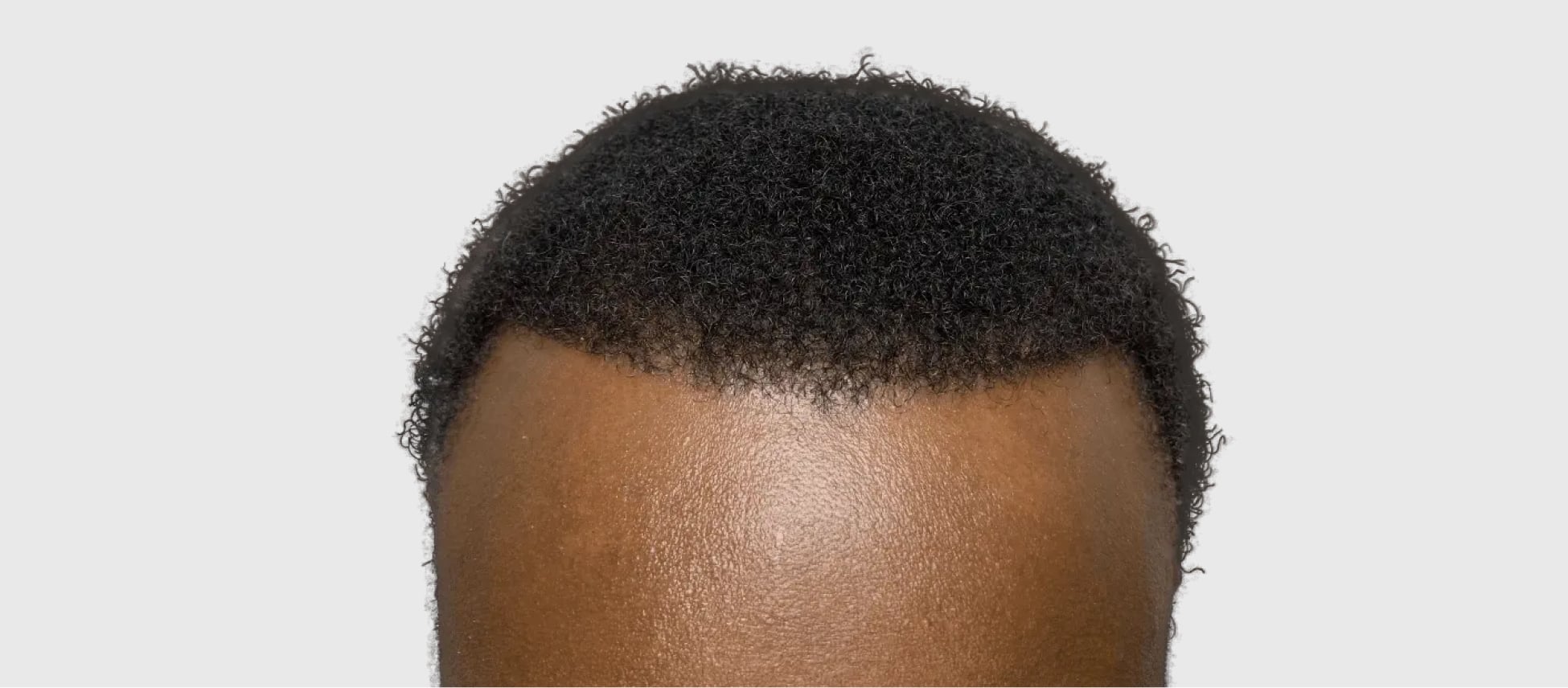
Advantages of Autologous Conditioned Plasma (ACP)

Frame 2147259165

No Linear Scar

 ACP is a needle-based, non-surgical procedure and does not involve incisions or sutures. Read More

Frame 2147259345

Fast Recovery

 Most clients leave the clinic and return to normal daily activities the same day. Mild redness or sensitivity Read More

Frame 2147259345

Natural Results

 Because ACP uses your own plasma and growth factors, the results blend seamlessly with your existing hair. Read More

Frame 2147259345

Versatility

 ACP can be used on the scalp, along the part, around the temples, at the hairline, and even near transplant Read More

Frame 2147259345

Permanent Solution

 ACP does not permanently change your genetics, but it can help preserve and improve the lifetime Read More
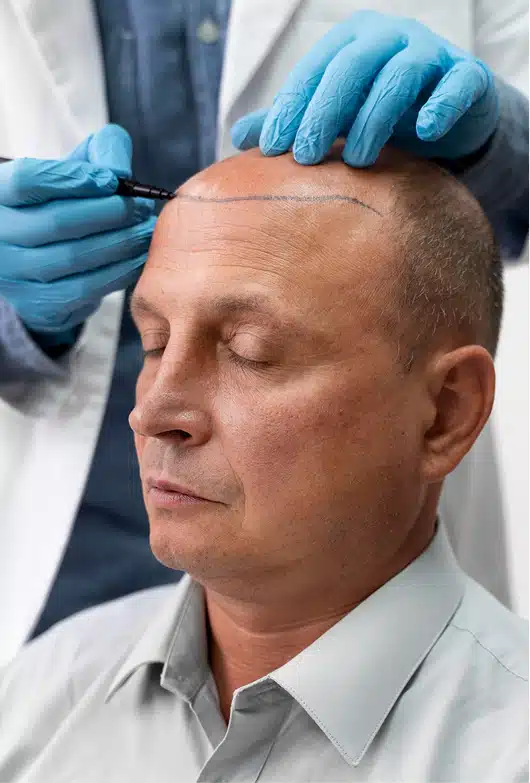
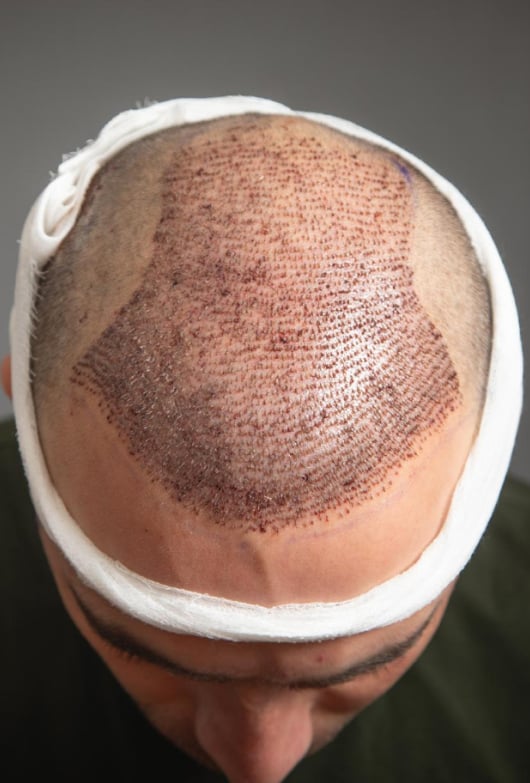
Autologous Conditioned Plasma (ACP) Technologies

Frame 2147259165

Closed-System ACP Centrifuges

 We use specialized closed systems that separate red cells, white cells, and plasma in a controlled Read More

Frame 2147259345

Optimized Spin Protocols

 The way blood is processed matters. Time, speed, and spin cycles are selected to balance Read More

Frame 214725c9345

Sterile, Single-Use Kits

 All collection and processing kits are sterile and single-use, which supports safety and consistent Read More

Framce 2147259345

Precision Injection Techniques

 Our clinicians use fine-gauge needles, strategic depth control, and patterned injection mapping to deliver Read More

Our Specialized Autologous Conditioned Plasma (ACP) Doctors & Clinicians

Our ACP doctors and clinicians specialize in hair restoration and regenerative medicine, which means they understand how to integrate biologic therapies into a real-world hair loss plan. They are not general aestheticians dabbling in scalp injections; they are professionals who focus every day on protecting and restoring hair.

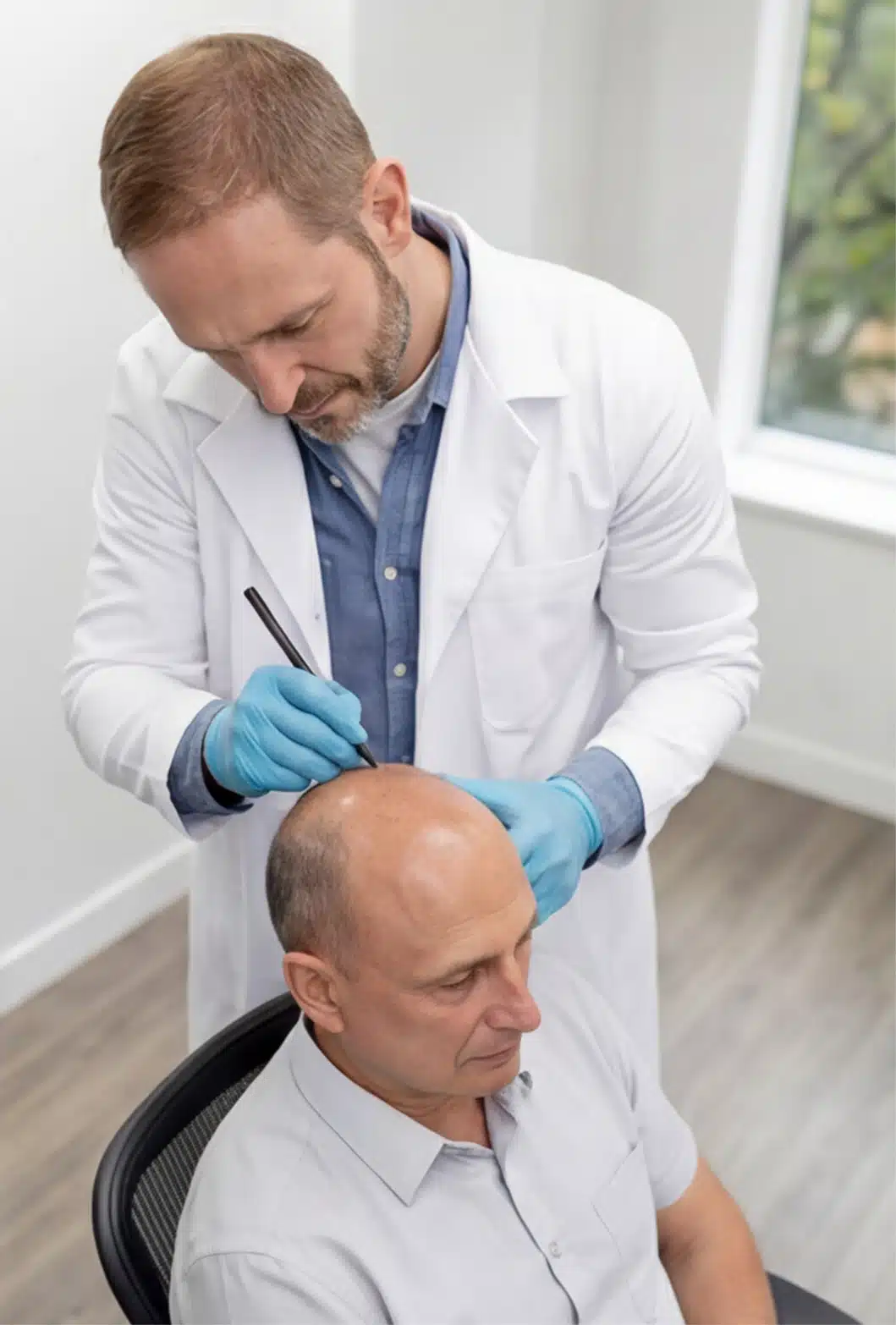
During your consultation, your provider reviews your medical history, medications, family patterns of hair loss, and lifestyle factors that may be impacting your hair. They examine your scalp, assess donor and thinning regions, and talk through what you hope to achieve—whether that is slowing early shedding, thickening specific areas, or supporting an upcoming transplant.

Your ACP plan is tailored to your needs: the number of sessions, the interval between visits, and any combined therapies are all decided with you, not for you. Throughout your journey, your clinician tracks your response, answers questions, and adjusts the plan if your hair or goals change. Their mission is to use ACP thoughtfully and strategically so you feel that every session has a clear purpose and direction.

Preparing for Your ACP Journey

A little preparation helps you get the most from each autologous conditioned plasma session:

Frame 2147259355

Consultation First

 Meet one-on-one with our team to review your hair loss history, medical Read More

Frame 2147259355

Pre-Procedure Instructions

 You may be asked to avoid alcohol and certain medications or supplements that Read More

Frame 2147c259355

Hair & Skin Prep

 Arrive with clean hair and a product-free scalp. We typically ask you to wash with Read More

Frame 21c47259355

Health & Labs

 In some cases, basic labs or medical clearance may be recommended, especially if Read More

Frame 21472593xc55

Plan for Recovery

 Most clients return to daily life right away, but you may prefer to schedule your Read More

Procedure Details & Duration

A little preparation goes a long way in ensuring success

Frame 2147259364

An ACP session is straightforward and typically completed in under an hour. First, a small amount of blood is drawn—similar to routine lab work. This sample is placed into a specialized device that spins and separates the blood into distinct layers. The clinician then isolates the plasma portion enriched with platelets and growth factors.

Frame 2147259364

Once the ACP is prepared, the scalp is cleansed and, if needed, a topical numbing agent may be applied to improve comfort. Using fine needles, your clinician injects the conditioned plasma in a pattern across the agreed-upon treatment zones. You may feel light pressure or brief pinches, but most clients tolerate the process very well.

Most appointments last between 30 and 60 minutes, depending on the size of the area treated and whether ACP is being combined with microneedling or other in-office therapies. After the procedure, you can leave the clinic and continue with your day, following a short list of after-care guidelines.

Recovery & What to Expect Next

A little preparation goes a long way in ensuring success

Frame 2147259365

Immediate Recovery

 You may notice mild sensitivity, swelling, or redness at the injection sites. These Read More

Shedding Phase

It is normal for the transplanted hairs to shed in the weeks after the procedure. Read More

New Growth


Early improvements often show up as less shedding, better texture, and Read More

Visible Results

 Many clients start to see noticeable improvement in volume, coverage, or part- Read More

Final Outcome

 Long-term results depend on your stage of hair loss, genetics, and how Read More

What Can Go Wrong With a Hair Transplant?

Even when ACP is used to support hair transplants, it is important to understand potential issues related to hair restoration in general. Most complications are rare and mild, especially in experienced hands, but being informed helps you make better choices:

Limited Response to ACP Support

 Not every scalp or follicle responds the same way to regenerative therapies. In areas with long-standing baldness or scar tissue, ACP may offer only modest improvement. This is why realistic expectations and early intervention matter.

How We Prevent It

We measure donor density, map the extraction pattern, and plan graft counts responsibly to protect long-term donor health.

Injection-Site Soreness or Bruising

 Temporary tenderness, small bruises, or mild swelling can occur in treated areas. These changes usually fade quickly and do not affect hair growth, but they may be noticeable for a short time after treatment.

How We Prevent It

We measure donor density, map the extraction pattern, and plan graft counts responsibly to protect long-term donor health.

Post-Procedure Inflammation

 A low level of inflammation is expected as part of the healing process. In rare cases, more pronounced irritation or discomfort can occur and may require brief adjustment of your after-care routine or medications.

How We Prevent It

We measure donor density, map the extraction pattern, and plan graft counts responsibly to protect long-term donor health.

Infection Risk

 Any procedure involving skin penetration carries a small risk of infection. We follow strict sterilization protocols and provide clear instructions to minimize this risk. If you notice increasing redness, warmth, or pain, you should contact your clinician.

How We Prevent It

We measure donor density, map the extraction pattern, and plan graft counts responsibly to protect long-term donor health.

Interaction With Other Hair Treatments

 Certain medications, topical products, or procedures could reduce the effectiveness of ACP or increase sensitivity. For this reason, we review all of your current hair and scalp products ahead of time and help you sequence therapies properly.

How We Prevent It

We measure donor density, map the extraction pattern, and plan graft counts responsibly to protect long-term donor health.

Unmet Expectations After Transplant Support

 When ACP is used around a hair transplant, it can improve healing and comfort but cannot fully override limits set by donor supply, graft placement, or overall hair biology. It is a powerful supportive tool, not a guarantee of unlimited density.

How We Prevent It

We measure donor density, map the extraction pattern, and plan graft counts responsibly to protect long-term donor health.

Frequently Asked Questions

Helpful information to guide your hair restoration decisions.
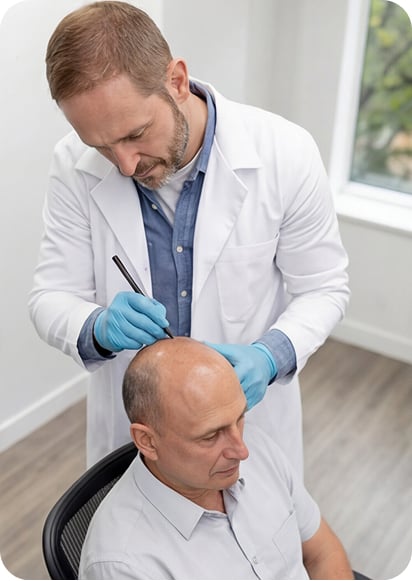
image 35
Skip to content